Will installing your energy-saving technologies disrupt our guests or operations?
In most cases, no. Most of our solutions are retrofit-friendly and designed to work alongside your existing HVAC systems with minimal disruption. Where a particular approach could affect operations, we work with you upfront to choose the option, timing and installation schedule that best suits your hotel, so guest experience and day-to-day running stay protected throughout.
How much can we realistically save on our energy bills?
It depends on your building, systems and occupancy, which is exactly why we start with a free assessment rather than a generic figure. We draw on a range of different solutions depending on what your specific property needs, so the right combination (and the savings it delivers) varies site to site. As a guide, Guest Room Energy Management typically delivers 25–50% reductions in HVAC energy use and runtime, and Voltage Optimisation typically saves 8–12% on electrical consumption. Your free report will show which measures are most relevant to you.
What’s the typical cost and payback period for a retrofit?
Costs and payback vary by property size, existing systems and energy spend, so we don’t quote a single number upfront. Your free Cost & Energy Waste Report gives you a tailored estimate of savings and payback for your specific building before any commercial conversation.
Do you have examples of similar hotels you’ve worked with?
We work across UK hotels, commercial buildings and multi-site operators, with a particular focus on guest-room and back-of-house energy waste. We keep client details confidential, but we’re happy to talk through relevant, comparable examples and typical outcome ranges on a call.
Will this affect guest comfort or our reviews?
No, if anything it should help. Voltage optimisation and HVAC controls work invisibly in the background. Guests experience the same or better comfort levels; the only difference is less energy being wasted when rooms are unoccupied or conditions don’t require full output.
Is your system compatible with our existing HVAC set-up?
In most cases, yes. Our technologies are designed to be retrofit-friendly and are fully compatible with most VRF, FCU and split systems. We assess your existing infrastructure as part of the review process to confirm compatibility before any work begins.
Can your solutions integrate with our Building Management System (BMS)?
Yes. Our approach is designed to complement your existing BMS or SCADA platform rather than replace it. We’ll talk through your specific integration requirements, including data access and reporting formats, during the technical review stage.
How is energy performance measured and verified after installation?
We track performance against your baseline using metered data, so you see measured before-and-after results rather than estimated savings alone. We’re happy to structure reporting around recognised Measurement & Verification (M&V) approaches where your organisation requires it.
What happens to our data, and is it GDPR compliant?
Any building or energy data you share with us, such as utility bills, meter readings and building details, is handled under GDPR, used only for your assessment, and never sold or shared. You can request deletion of your data at any time.
Do you work to recognised energy management standards?
Yes. Our approach is grounded in recognised energy management principles, and we’re happy to discuss how specific standards or frameworks relevant to your organisation (such as ISO 50001 or IPMVP) fit into your project on a call.
How do you select and vet the technology partners you work with?
We assess potential partners against track record, independent test data, warranty terms and UK support coverage before recommending them on any project. We’re vendor-agnostic, so a partner is only included because it’s the right fit for your specific building, not because of a commercial relationship with us.
What’s the typical installation timeline and how much disruption should we expect?
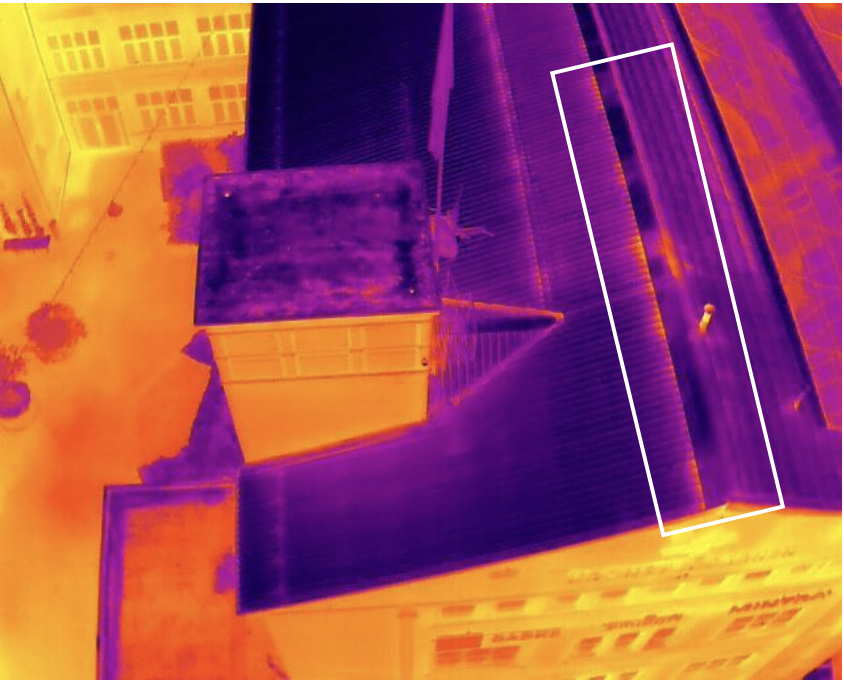
Timelines vary by which measures apply to your property, but as a guide: a thermal survey typically takes 1–2 days, and HVAC controls installation typically takes 5–10 days. We agree a schedule with you in advance so there are no surprises, and most installations run with no impact on guest operations.
Can your system support our ESG goals and reporting requirements?
Yes. Every assessment generates the underlying energy and carbon data your ESG team needs for reporting and target-setting, alongside the practical energy-reduction measures that improve your actual performance, not just the numbers on paper.
How does my Carbon Snapshot map to Scope 1, 2 and 3 emissions?
Your Carbon Snapshot estimates your operational footprint, covering on-site fuel use (Scope 1) and purchased electricity (Scope 2). For organisations needing full Scope 3 (supply chain) reporting, we’ll talk through how your data fits into that wider picture on a follow-up call.
Does this help with SECR, TCFD or CSRD compliance?
We’re not a compliance or legal advisory service, so this isn’t something covered by the free report. Where your organisation needs it, we offer comprehensive carbon reporting and a full suite of managed ESG services designed to align with SECR, TCFD and CSRD requirements. Happy to talk through what that would look like for you on a call.
How does this fit into our existing ESG governance and reporting cadence?
We provide the underlying energy and carbon data your ESG team or committee needs, on whatever reporting cycle works for your organisation, whether that’s annual, quarterly, or tied to specific disclosure deadlines.
Can on-site renewables count toward our emissions reduction claims?
Yes, on-site renewable generation can contribute to your Scope 2 reduction. We’ll talk through how to evidence this credibly as part of your wider carbon accounting, including any considerations relevant to your specific reporting framework.
How does improving our energy and ESG performance affect financing costs or property valuation?
Energy performance and ESG credentials are increasingly factored into lending terms, valuations and investor due diligence for commercial property: lenders are applying green lending criteria, EPC and BREEAM ratings are linked to valuation, and ESG due diligence is becoming standard practice for refinancing and acquisitions. We’re happy to talk through how this applies to your specific portfolio and financing situation on a call.
What happens after I book a call or submit an assessment?
You get a clear, prioritised set of recommendations based on your actual data, not a generic checklist. From there, we agree which opportunities are worth pursuing, sequence them sensibly, and stay involved through delivery and measurement rather than handing over a report and disappearing.
Do we need to do everything at once, or can we phase this?
Phasing is the default, not the exception. Most clients start with quick wins before considering larger retrofit or renewable investment, so you stay in control of pace and capital commitment at every stage.
Will improving energy performance help if we sell, refinance or re-let?
Increasingly, yes. Energy performance and ESG credentials are becoming a factor in valuations, lending terms and tenant demand for commercial property. We’re happy to discuss how a documented energy strategy could support better outcomes for your specific assets.
We manage multiple sites, can you handle a portfolio rather than one building?
Yes. Many of our clients are multi-site operators. We can run assessments across your portfolio, prioritise which properties offer the fastest payback, and sequence a rollout that matches your capital and operational planning.
Why work with you rather than a big consulting firm?
We stay involved end-to-end, from assessment through delivery and measurement, with one point of contact, rather than handing you a report and walking away. We’re also vendor-agnostic, so our recommendations are based on what works for your building, not what we have to sell.